
The first year after losing a limb goes into relearning things you never had to think about, and into a residual limb that keeps changing shape, so the socket that fit in March stops fitting by June. Somewhere in that stretch you also find out whether the job you held is still a job you can do. Tronfeld West & Durrett treats limb loss as the decades-long event it is, and our catastrophic injury practice in Alexandria builds the claim around that entire arc instead of the hospital bill that happens to print first. We offer a free consultation, and there is no fee unless we win your case.
Free Consultation With an Alexandria Amputation Attorney
Amputation files turn on decisions made in the first weeks, especially where equipment or a vehicle still exists and can be examined. Bring what you have and we will work through:
- The level of amputation, whether it was traumatic or surgical, and how many revision procedures have followed
- Who owned, maintained, serviced, or manufactured the machine, tool, or vehicle involved
- Whether a workers’ compensation claim is already open, and who has been paying your medical bills so far
- What your prosthetist has said about socket fit, componentry, and the replacement schedule ahead of you
You will speak with someone about the facts of your case on that first call, not fill out a form and wait.
For answers to your questions about a amputation in Alexandria, call: 800-321-6741
How Our Alexandria Amputation Attorneys Can Help You
- Send a preservation demand before the equipment is repaired or scrapped. A jointer, press, conveyor, or damaged vehicle is the best piece of evidence in a limb loss case, and it tends to disappear quickly once an incident investigation closes.
- Trace the failure back to a guard, an interlock, or a training gap. Machinery amputations usually involve a missing point-of-operation guard, a defeated safety interlock, or an operator who was never trained on clearing a jam. Each points at a different responsible party.
- Pin the amputation level and the revision history to the record. A transtibial amputation that later revises to transfemoral changes prosthetic cost, gait energy demand, and future surgical risk. That progression has to be documented rather than assumed.
- Bring in a prosthetist and a life care planner while treatment is active. Sockets are typically replaced as the limb matures and components carry their own service life. A plan built from your prosthetist’s actual recommendations survives scrutiny far better than a generic multiplier.
- Quantify the vocational loss separately from lost wages. A vocational economist can show what work remains realistically available to you, which is a different question from what you earned last year and usually a much larger number.
- Keep the workers’ compensation track from swallowing the third-party claim. Where a machine, product, or outside contractor caused the injury, a separate civil claim exists alongside the comp file, and the two have to be coordinated or the recovery gets eaten by a lien.
Tronfeld West & Durrett has handled catastrophic injury claims across Virginia since 1972, with four offices in the Commonwealth and a bench of medical, prosthetic, and economic experts we work with regularly.
When an Amputation Happens at Work: Comp Versus a Third-Party Claim
A large share of limb loss in the Alexandria area happens on a job site, in a shop, or behind the wheel of a work vehicle. That fact changes the structure of the case more than almost anything else.
What Workers’ Compensation Does Not Pay
Under Va. Code § 65.2-307, workers’ compensation is generally the exclusive remedy against your employer. It covers medical treatment and a portion of lost wages, and it pays a scheduled benefit for the loss of a limb. What it does not pay is compensation for pain, for disfigurement, or for the life you had before, and the scheduled amount rarely tracks what an amputation costs over decades.
The Third-Party Claim That Runs Alongside It
Exclusivity protects your employer. It does not protect a machine manufacturer, a maintenance contractor, a property owner, or a negligent driver. Those parties can be sued directly, and that civil claim carries the full range of damages comp leaves out. Your employer’s carrier will assert a lien on the recovery under Va. Code § 65.2-309, which is negotiable and is one of the places experienced handling changes what you keep.
Sorting out which track applies takes a conversation and a look at the paperwork, and that consultation costs nothing.
Click to contact us today
Common Causes of Amputation Injuries in Alexandria
Limb loss reaches our firm from a narrower set of situations than most injury types:
- Industrial, shop, and warehouse machinery. Jointers, saws, presses, augers, and conveyors cause crush and severance injuries when guarding is removed or a jam is cleared with the power on.
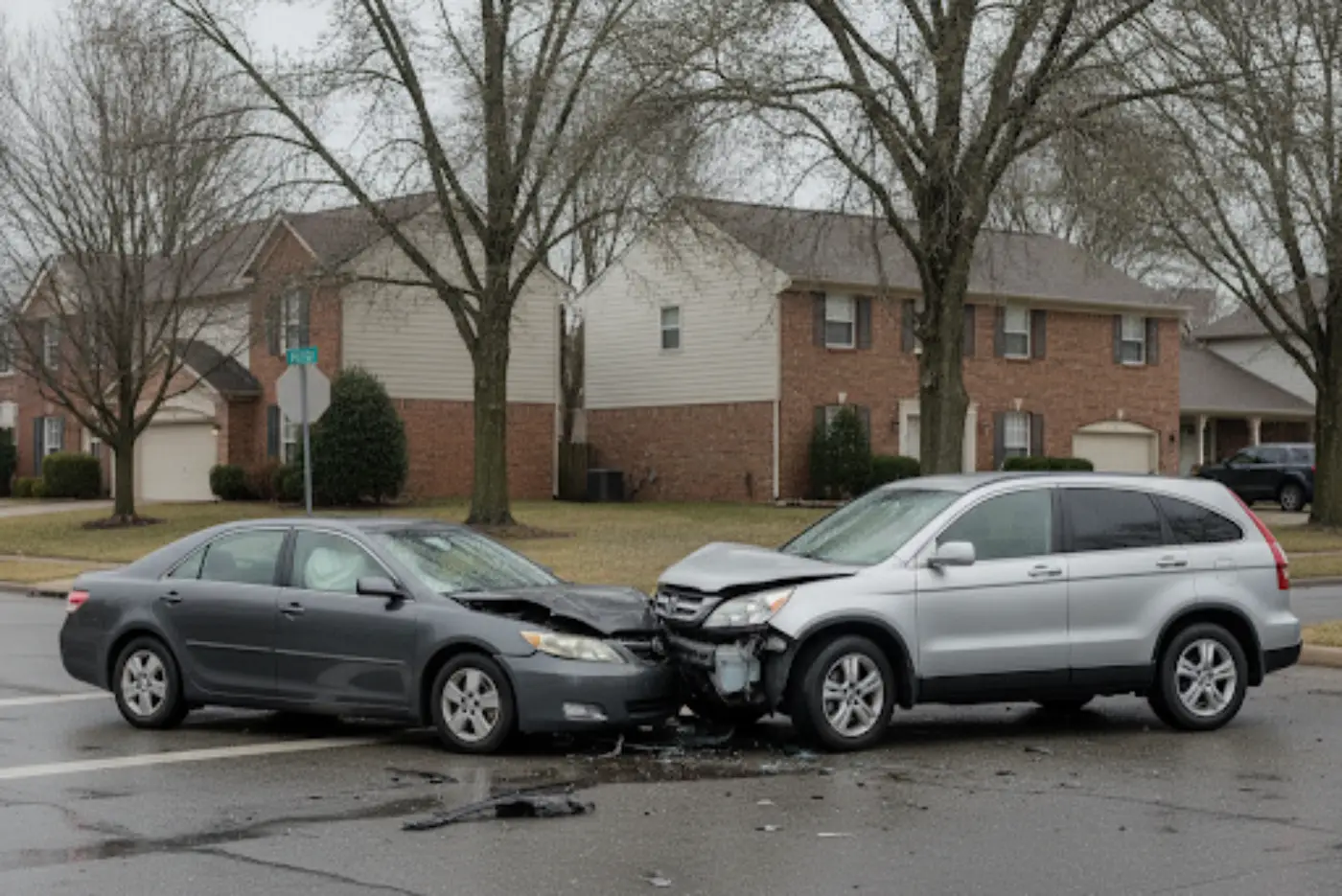
- Commercial vehicle and 18-wheeler collisions. Underride and rollover forces along the Beltway approaches and the Telegraph Road and Eisenhower Avenue freight routes produce the entrapment that leads to surgical amputation.
- Motorcycle and bicycle collisions. With no structure between rider and roadway, crush and degloving injuries to the lower leg are common, particularly at Braddock Road intersections.
- Structural failures and falls on unsafe property. Collapsing decks, stairs, and railings cause crush injuries that can end in amputation, and raise premises liability questions about notice and maintenance.
- Defective power tools and consumer products. A blade guard that fails or a tool that starts unexpectedly is a product claim against a manufacturer, not a negligence claim against a person.
- Failed treatment of a salvageable limb. Compartment syndrome missed, a vascular injury not caught in time, or an infection mismanaged can turn a survivable injury into an amputation.
If the cause of your injury is still unclear, that is itself a reason to call instead of a reason to wait.
Complete a Free Case Evaluation form now
Types of Limb Loss We Handle in Alexandria
Amputation claims are built differently depending on the level involved, because level drives prosthetic cost, energy demand, and the realistic work picture:
- Finger and partial hand amputation. Commonly dismissed as minor, though loss of a dominant index or middle finger can end a skilled trade.
- Transradial amputation. Below the elbow, retaining the elbow joint and generally allowing better prosthetic function.
- Transhumeral amputation. Above the elbow, requiring a more involved prosthesis and substantially more rehabilitation.
- Transtibial amputation. Below the knee, where preserving the knee joint materially improves mobility outcomes.
- Transfemoral amputation. Above the knee, carrying higher energy cost for walking and a greater fall risk over time.
- Foot and partial foot amputation. Often underestimated, with lasting effects on gait, balance, and standing tolerance.
Severe crush trauma regularly arrives alongside a traumatic brain injury, and where an injury proves unsurvivable our firm also represents families in wrongful death claims. Phantom limb pain, neuroma, and skin breakdown belong in the record too, since they shape daily life long after the surgical wound closes.
Compensation Available After an Amputation in Alexandria
Limb loss is one of the few injuries where the largest costs arrive decades after the accident, in replacement components and in the earnings that never materialized. Both belong in the claim.
- Economic damages. Emergency and surgical care, revision procedures, inpatient rehabilitation, and lost wages through every period you were unable to work.
- Non-Economic damages. Pain and suffering, disfigurement, phantom limb pain, and the loss of activities that a prosthesis does not give back.
- Future prosthetic and medical costs. Sockets, liners, and components replaced on a recurring schedule for the rest of your life, along with the surgical revisions that limb changes can require.
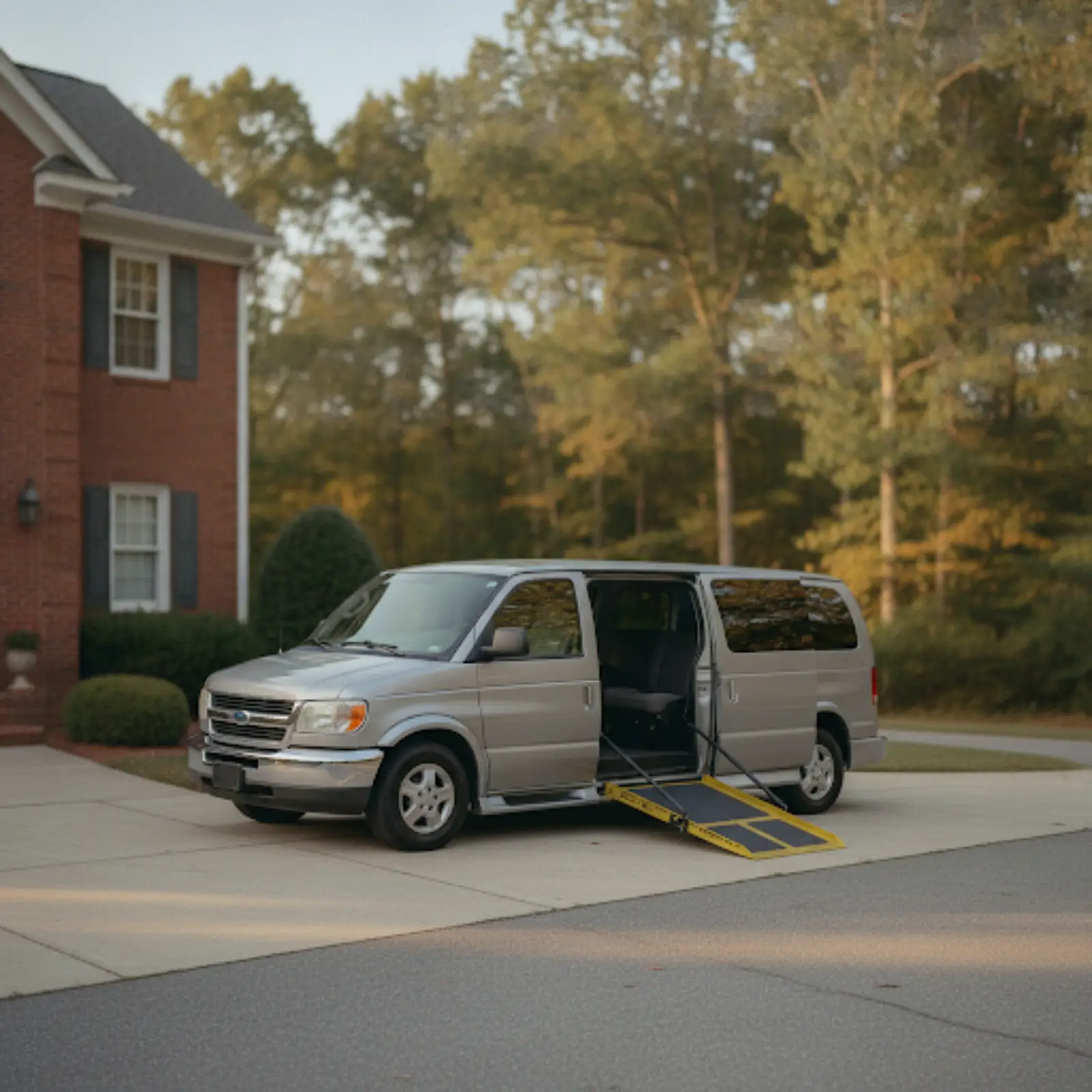
- Home and vehicle modification. Ramps, widened doorways, bathroom modification, and hand controls or lifts where driving is affected.
- Lost earning capacity. The gap between what you would have earned in your trade or profession and what remains open to you now.
Our firm assembles this record with treating surgeons, prosthetists, life care planners, and vocational economists before a demand goes out, because an amputation claim settled on the acute medical bills alone is settled for a fraction of its value.
Liability and Virginia’s Contributory Negligence
Responsibility for a limb loss can rest with a manufacturer, a property owner, a maintenance contractor, a staffing agency, a driver, or a medical provider, and more than one of them at once. Identifying every party matters because insurance limits, not liability, often decide what a claim can recover.
Virginia applies pure contributory negligence, which means a finding that you were even one percent at fault defeats the claim entirely. In machinery cases the defense argument is nearly always the same: you reached in, you bypassed the guard, you knew the risk. Whether being partially at fault ends a claim in Virginia is a question that should be answered early with a lawyer rather than late with an adjuster, because the answer here is harsher than in most states.
Protecting your claim from contributory fault arguments is one of the first things our team does, and this is why calling a Virginia attorney quickly after an accident matters.
Why Choose Tronfeld West & Durrett?
Elizabeth West is a partner and shareholder who has been a member of the Virginia State Bar since 1991, devotes her practice to personal injury, product liability, and medical malpractice litigation, belongs to the Million Dollar Advocates Forum, and has been named a Virginia Super Lawyer every year from 2019 through 2026. She is regularly assigned the firm’s most demanding cases. Here is her perspective on amputation claims in Alexandria.
“An amputation case is won or lost on whether the thing that caused it still exists when we arrive. Machines get repaired, guards get reinstalled, vehicles get sold for salvage, and the incident report gets written by someone with an interest in the outcome. When we can put an engineer in front of the actual equipment, the case stops being an argument about what probably happened.”
Do You Have a Claim?
An amputation claim is worth reviewing if:
- A machine, tool, or vehicle owned or maintained by someone other than you caused the injury
- A safety guard, interlock, warning, or training program was missing, disabled, or inadequate
- Your limb was initially salvageable and was lost after a delay or a treatment decision
What Cases Like Yours Have Recovered
Our results include a $1,300,000 settlement for a 17-year-old who lost his index and middle fingers on his dominant hand in a jointer machine during a woodshop class, where the claim centered on inadequate training and supervision, and a $2,850,000 settlement arising from a chain-reaction crash on Interstate 95. More appear on our case results page.
If you are weighing whether your situation is worth pursuing, a conversation costs nothing and usually settles the question quickly.
Contact an Alexandria Amputation Lawyer
Limb loss reorganizes work, housing, driving, and family roles all at once, and the compensation system that answers for it moves on deadlines that do not pause while you recover.
Contact Tronfeld West & Durrett to speak with an Alexandria amputation attorney at no cost. We are big enough to handle any case and small enough to have a personal feel, and there is no fee unless we win your case.
FAQs About Alexandria Amputation Cases
Does a settlement cover replacing my prosthesis for the rest of my life?
It should, and that is one of the main reasons these claims are valued far above the medical bills alone. Prosthetic sockets and components have a limited service life and are replaced on a recurring basis over decades, and activity level and componentry change the cost considerably. A life care planner working from your prosthetist’s recommendations converts that schedule into a figure that can be presented and defended.
How much is an amputation claim worth in Virginia?
There is no table. Value moves with the level of amputation, whether your dominant side was affected, your age and work history, the strength of the liability evidence, and the insurance available. A finger amputation that ends a career in a skilled trade can exceed a leg amputation for someone whose work is unaffected.
Can I bring a claim if my amputation happened at work in Alexandria?
Usually not against your employer directly, because workers’ compensation is generally the exclusive remedy against them. You can often sue a third party such as the machine manufacturer, a maintenance contractor, a property owner, or a negligent driver. Those claims are typically worth several times the comp benefit.
What if my limb was amputated days later in surgery rather than at the scene?
That is a surgical amputation, and it is treated the same as a traumatic one for claim purposes. The relevant question is causation, meaning whether the injury caused by the incident led to the loss of the limb. Where a limb was salvageable and lost through delay or mismanagement, a separate claim against the provider may also exist.
How long do I have to bring an amputation case in Virginia?
Va. Code § 8.01-243 gives two years from the date of injury for most personal injury actions, and product liability and workers’ compensation claims carry their own separate deadlines. The statute of limitations for Virginia personal injury claims is strict, and evidence in machinery cases disappears long before the deadline arrives.
Call or text 800-321-6741 or complete a Free Case Evaluation form