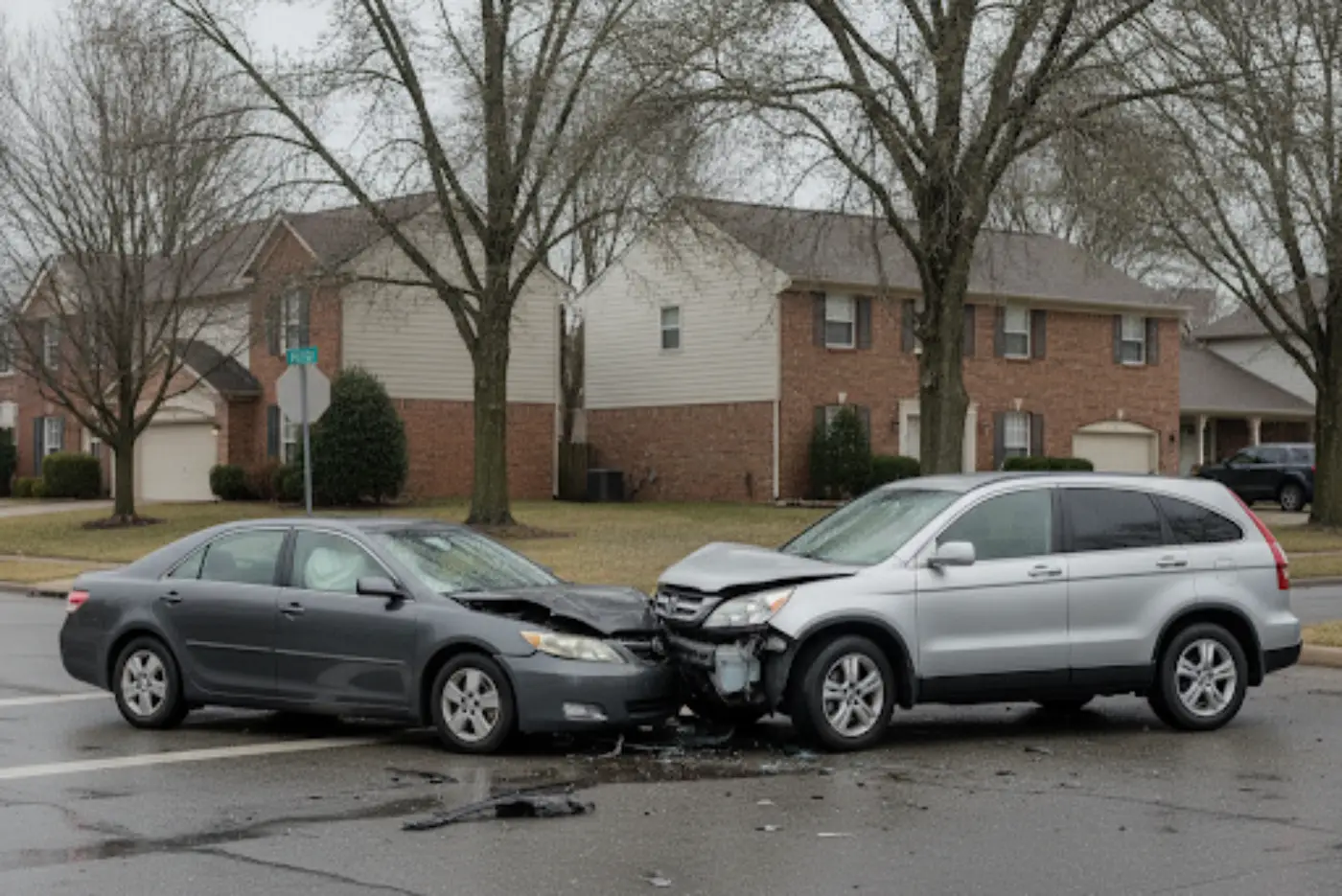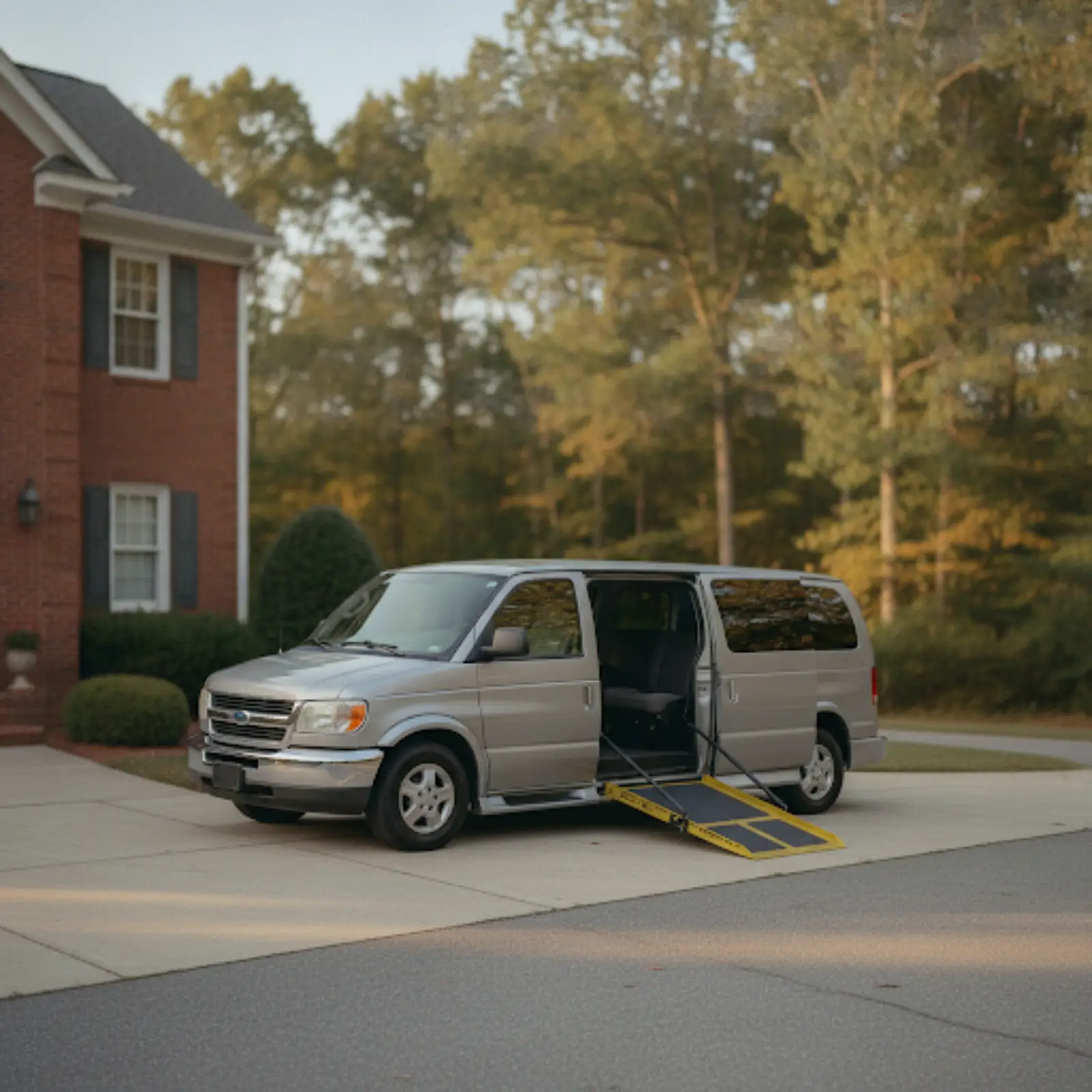

The first weeks after a spinal cord injury are about medical stability, and the questions that will govern the next forty years show up long before anyone is ready for them: whether you can go home to the place you lived in, who provides attendant care and for how many hours, what a wheelchair-accessible vehicle costs, and who is going to pay for any of it. Families are asked to make those decisions from a rehabilitation unit with no figures in front of them. Tronfeld West & Durrett has represented people with the most serious injuries Virginia law recognizes, and our Alexandria catastrophic injury team builds paralysis claims around that entire future, not the bills that have arrived so far. There is no fee unless we win your case.
Free Consultation With an Alexandria Paralysis Attorney
Paralysis claims are the ones where early representation changes the outcome most, because the evidence and the insurance both need work before anyone talks about settlement. On the first call we cover:
- The neurological level and whether the injury is classified as complete or incomplete
- The mechanism of injury, and whether a vehicle, a property owner, an employer, or a product was involved
- Every insurance policy that might respond, including underinsured motorist coverage on your own vehicles
- What rehabilitation has projected for function, equipment, and attendant care needs
- How pain and suffering is calculated in Virginia, and why it is only one part of a claim this size
We offer a free consultation, and you will speak with someone about the specifics of the injury, not a general intake script.
For answers to your questions about a paralysis in Alexandria, call: 800-321-6741
How Our Alexandria Paralysis Attorneys Can Help You
- Find every layer of insurance before the first one is exhausted. Paralysis costs typically exceed a single liability policy. Commercial policies, umbrella coverage, employer vehicle policies, and stacked underinsured motorist coverage are often where the real recovery sits, and locating them is investigative work.
- Commission a life care plan built by a certified planner. Attendant care hours, wheelchair and cushion replacement cycles, catheter and bowel program supplies, home modification, accessible transportation, and surgical revisions each carry their own schedule and cost. That document becomes the spine of the damages case.
- Preserve the vehicle, the scene, and the download. Crush geometry, seat and restraint performance, and event data recorder output establish the forces involved. In a paralysis case those findings also open product claims against a vehicle or component manufacturer.
- Retain a physiatrist and a vocational economist early. A physiatrist speaks to functional prognosis and equipment needs, while an economist converts lost earning capacity and future care into present value figures a defense economist has to answer.
- Coordinate liens and public benefits so the recovery survives. Health insurance, Medicaid, Medicare, and workers’ compensation liens can consume a settlement that was not structured with them in mind. Handling them is part of the case, not an afterthought.
- Prepare the file for trial from day one. Carriers evaluate paralysis claims differently when the firm across the table tries cases. Tronfeld West & Durrett has tried cases in state and federal courts across Virginia, from Norfolk to Northern Virginia.
Common Causes of Paralysis Injuries in Alexandria
Spinal cord injuries reach our firm from a predictable set of events, most involving force that the spine was never built to absorb:
- Motor vehicle collisions. The leading cause nationally. High-speed impacts on the Capital Beltway and at the Woodrow Wilson Bridge approaches produce the flexion, extension, and axial loading that fracture vertebrae and injure the cord.
- Commercial truck crashes. Mass differential means occupants of the smaller vehicle absorb the energy, and truck accident claims bring federal safety regulations and corporate policies into the case.
- Motorcycle and bicycle collisions. Riders on Commonwealth Avenue and Quaker Lane have no structure around them, and a survivable impact commonly produces a non-survivable spinal outcome.
- Falls from height. Construction falls, stair and balcony collapses, and ladder failures cause burst fractures, and where the property was unsafe these become premises liability claims.
- Pedestrian strikes. A pedestrian struck by a vehicle takes the impact directly and then lands, and the second event often causes the spinal injury.
- Medical and surgical causes. Undiagnosed cauda equina syndrome, delayed decompression, epidural hematoma, and anesthesia complications can cause paralysis that was preventable with timely treatment.
Where the cause is unclear or more than one party may be involved, an early investigation is what keeps every option open.
Click to contact us today
Proving a Paralysis Claim Under Virginia Law
Liability in a paralysis case is usually the smaller fight. Carriers concede that a crash happened and instead contest the size of the future, arguing that attendant care hours are overstated, that equipment will last longer than the planner projects, or that the plaintiff will return to work in some capacity. Meeting that requires treating physicians, a certified life care planner, and an economist whose assumptions hold up under cross-examination, and that is why these claims are built rather than filed.
Timing matters more here than in almost any other case type. Va. Code § 8.01-243 allows two years for most injury suits, and while that sounds generous, a paralysis case needs the neurological picture to stabilize, a life care plan to be completed, and vocational analysis to be finished before a demand can be made responsibly. Claims involving a government vehicle or a public entity carry shorter notice requirements that can expire in months. Documenting income and benefits also takes time, and the rules for collecting lost wages differ for salaried, hourly, and self-employed clients.
A free consultation early in treatment costs nothing and usually clarifies which deadlines are already running.
Complete a Free Case Evaluation form now
Levels of Paralysis and What They Mean for Your Claim
The neurological level determines function, equipment, and care hours, which is to say it determines nearly everything about the claim:
- Tetraplegia (quadriplegia). Cervical injury affecting all four limbs and the trunk. Injuries above C4 regularly affect breathing and may require ventilator support.
- Paraplegia. Thoracic, lumbar, or sacral injury affecting the lower body, generally preserving arm and hand function.
- Complete injury. No motor or sensory function below the level of injury, with limited prospect of recovery.
- Incomplete injury. Some function preserved below the level, where recovery varies widely and the prognosis often stays unsettled for a year or more.
- Hemiplegia and monoplegia. Paralysis on one side of the body or in a single limb, typically following a brain injury instead of a cord injury.
- Cauda equina syndrome. Compression of the nerve roots below the cord, a surgical emergency where delayed decompression can turn a treatable condition into permanent deficit.
Secondary complications belong in the claim as well: pressure injuries, autonomic dysreflexia, neurogenic bladder and bowel, spasticity, chronic neuropathic pain, and respiratory infection. Cord damage and head trauma tend to occur in the same event, so a traumatic brain injury evaluation belongs in the workup even when the spinal picture dominates. Should the injury prove fatal, we represent surviving relatives in wrongful death actions.
Compensation Available After a Paralysis Injury in Alexandria
These are among the largest claims in Virginia injury law, and for a straightforward reason: the costs continue for a lifetime and start immediately.
Economic Damages
Acute hospitalization, spinal surgery, and inpatient rehabilitation, followed by the recurring costs that define the rest of the case. Attendant or skilled nursing care is usually the largest line item. Power and manual wheelchairs, cushions, transfer equipment, and standing frames replace on fixed cycles. Home modification covers ramps, widened doorways, roll-in showers, and lifts, and accessible vehicle modification recurs each time a vehicle is replaced. Lost earning capacity reflects the career that was available to you before, and vocational retraining through Virginia’s rehabilitative services agency may reduce but rarely eliminates that loss.
Non-Economic Damages
The loss of physical autonomy, of privacy in personal care, of activities and roles within a family, and of the future that was assumed. Chronic neuropathic pain is common after spinal cord injury and is often permanent. These damages are difficult to quantify and are commonly the most contested part of the claim, and that explains why they need the same evidentiary support as the economic side.
Our firm assembles this picture with treating physicians, life care planners, and economists before any demand is made, because a paralysis claim resolved on the acute hospital bill alone leaves decades of care unfunded.
Liability and Virginia’s Contributory Negligence
Responsibility can rest with a driver, a trucking company, a property owner, a contractor, a vehicle or component manufacturer, or a medical provider, and often with several at once. Identifying every party is what determines whether the available insurance can carry a lifetime of care.
Virginia’s pure contributory negligence rule is unforgiving in exactly these cases. A finding that the injured person was one percent at fault defeats the entire claim, no matter how catastrophic the injury or how clear the other party’s negligence. Defense counsel will look at seatbelt use, speed, helmet use, lane position, and any decision made in the seconds before impact. Because the stakes are total rather than proportional, the investigation has to begin while the scene, the vehicle, and the witnesses are still available.
Protecting your claim from contributory fault arguments is one of the first things our team does, and this is why calling a Virginia attorney quickly after an accident matters.
Why Choose Tronfeld West & Durrett?
Jay Tronfeld is the founding shareholder of the firm and has represented thousands of injury and wrongful death clients since 1972, trying cases in state and federal courts from Norfolk to Northern Virginia and from Richmond to Roanoke, in matters ranging from connective tissue injuries to fractures, amputations, and traumatic brain injury. Here is his perspective on paralysis claims in Alexandria.
“A paralysis case is at bottom a funding question: will this recovery still be paying for care in year thirty. That answer is decided early, by whether we found every policy and whether the life care plan was built by someone the defense cannot dismantle. We bring those experts in during rehabilitation, not on the eve of trial, because by then the numbers are whatever the other side says they are.”
Virginia’s fault rule raises the stakes on that preparation, and clients are often surprised to learn how being partially at fault is treated here compared with neighboring states.
Do You Have a Claim?
A paralysis claim is worth reviewing if:
- A crash, fall, or workplace incident caused a spinal fracture or spinal cord injury
- Symptoms of cauda equina syndrome were reported and decompression surgery was delayed
- The at-fault party’s policy limits are plainly inadequate for the care you will need
What Cases Like Yours Have Recovered
Our results include a $4,250,000 settlement for a passenger in a tractor-trailer that ran off the road and overturned, leaving her with a C7 spinal cord injury and quadriplegia, and an $11,500,000 settlement for a woman run over by a tractor-trailer pulling out of a trucking terminal while she rode her bicycle. Further outcomes appear on our case results page.
If you are still in rehabilitation and unsure whether it is too early to speak with a lawyer, it is not. Early is when the most can be protected.
Contact an Alexandria Paralysis Lawyer
Paralysis reorganizes housing, work, transportation, and family roles at the same time, and the legal claim is the only part of that picture that can fund the rest. It also runs on deadlines that do not wait for recovery.
Contact Tronfeld West & Durrett for a free consultation with an Alexandria paralysis attorney. This firm has stood beside injured Virginians for over half a century, and four offices around the Commonwealth keep us within reach. We are big enough to handle any case and small enough to have a personal feel, and there is no fee unless we win your case.
FAQs About Alexandria Paralysis Cases
Is paralysis from a spinal cord injury always permanent?
Not always. Incomplete injuries, where some motor or sensory function remains below the level of injury, can improve substantially over the first twelve to eighteen months, and early decompression sometimes preserves function. Complete injuries carry a far poorer prognosis. Because the picture keeps changing during that window, resolving a claim before the neurological outcome settles risks giving up the part of the case that matters most.
How much is a spinal cord injury claim worth in Virginia?
Value is driven by the level of injury, whether it is complete or incomplete, your age and life expectancy, the attendant care hours you will need, and the insurance available. Lifetime costs for high tetraplegia run into the millions, and that is why identifying every applicable policy is often more consequential than arguing about liability.
Can I claim VA disability benefits and still bring a lawsuit?
Yes. Veterans’ disability benefits, Social Security disability, and workers’ compensation are separate from a civil claim against whoever caused the injury, and receiving them does not bar a lawsuit. Some programs assert a lien or right of reimbursement against a later recovery, so those interests need to be identified and negotiated as part of resolving the case.
Who pays for home modifications and an accessible vehicle?
In a successful claim, the at-fault party’s insurers do, through the future care component of the damages. These costs are proven with a life care plan and contractor estimates rather than assumed, and accessible vehicle modification is recurring instead of one-time, since it repeats with each replacement vehicle over a normal life expectancy.
How soon should a paralysis case be investigated?
Immediately, even while treatment continues. Vehicles get repaired or salvaged, scenes change, surveillance footage overwrites on short cycles, and witness memory fades. Given how Virginia’s contributory negligence rule works, evidence gathered in the first weeks regularly decides whether the claim survives at all.
Call or text 800-321-6741 or complete a Free Case Evaluation form