


Many riders who call us did everything right. They were visible, sober, and riding at the speed limit when a driver turned left across their lane or drifted over without checking a mirror. Then the adjuster starts asking whether you wore a helmet, how fast you were going, and whether you were weaving through traffic, because in Virginia a rider found even slightly at fault can lose the entire claim. Our Richmond injury attorneys know that playbook and build motorcycle cases to answer it with evidence.
Tronfeld West & Durrett is not your typical law firm, and there is no fee unless we win your case. The first step is a conversation about what happened on the road.
Your Free Consultation After a Richmond Motorcycle Crash
Motorcycle evidence disappears quickly. A bike gets repaired, gear gets thrown out, and road rash heals before anyone photographs it. In the first call, we focus on what needs to be saved:
- Your motorcycle and gear. Keep the bike, helmet, jacket, and boots as they are. Damage patterns show the angle and force of the impact, and a repair shop can erase them.
- Photos of the scene and your injuries. Bruising and road rash change by the day, so early photos carry weight.
- Every insurance policy that might apply. Many Richmond drivers carry modest limits, so we look at your own uninsured and underinsured motorist coverage from the start.
- Who saw the crash. Other riders in your group, drivers who stopped, and nearby businesses with cameras.
We offer a free consultation, and many riders find that one call answers questions the adjuster has been avoiding for weeks.
For answers to your questions about a motorcycle accident in Richmond, call: 800-321-6741
Meet Your Personal Injury Attorneys
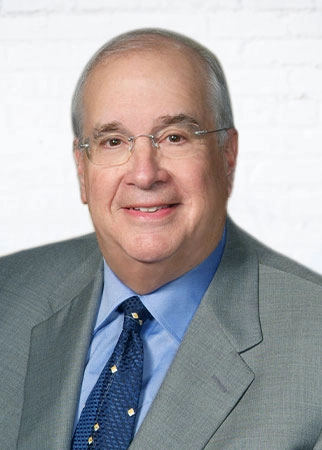
Jay Tronfeld

Elizabeth West

David Durrett

John Newby

Jen Mattingley

Joseph Robertson

Grayson Smith
How Tronfeld West & Durrett Builds a Motorcycle Claim
Insurers often assume the rider was at fault. Our investigation is designed to replace that assumption with proof:
- Reconstructing the turn or lane change. We map sightlines, signal timing, and vehicle positions to show the rider was there to be seen, using traffic camera and business video when it exists.
- Downloading the other vehicle’s event data recorder. The car’s crash data can show its speed, braking, and throttle in the seconds before it pulled into the rider’s path.
- Answering speeding claims with physical evidence. Reconstruction experts study crush damage, gouge marks, and where the bike came to rest, rather than relying on a driver’s guess about how fast a motorcycle was moving.
- Examining the helmet and gear. Damage to a certified helmet documents the force of the impact and shuts down arguments about compliance with Virginia’s helmet law.
- Finding every available policy. The at-fault driver’s liability coverage, any umbrella policy, and the rider’s own underinsured motorist coverage can all come into play in a serious crash.
- Projecting future medical needs. Orthopedic surgeons and life care planners estimate the cost of later surgeries, hardware removal, and therapy so the settlement covers more than today’s bills.
These steps have produced strong outcomes for injured riders and drivers, and we are glad to discuss our verdicts and settlements during your consultation.
Click to contact us today
Virginia Motorcycle Laws That Shape Your Claim
A few Virginia rules come up in nearly every motorcycle case, and insurers use them to argue the rider shares the blame.
Helmet Use
Under Va. Code § 46.2-910, operators and passengers must wear protective helmets that meet Snell, ANSI, or federal DOT standards, along with a face shield, goggles, or a windshield. The same statute says that failing to wear this equipment “shall not constitute negligence per se in any civil proceeding.” Riding without a helmet does not automatically defeat a claim, though an insurer may still contend that the missing helmet worsened a head injury. The rules behind Virginia’s motorcycle helmet requirements matter most in cases involving brain injuries.
Lane Splitting and Riding Two Abreast
Under Va. Code § 46.2-857, driving abreast of another vehicle in a lane designed for one vehicle is reckless driving, although two motorcycles may ride side by side in a single lane. That makes lane splitting in Virginia illegal, and insurers sometimes claim a rider was splitting lanes when the evidence shows otherwise.
Our Virginia motorcycle accident lawyers deal with these arguments in courts across the state, and a free consultation can clarify which rules apply to your crash.
Complete a Free Case Evaluation form now
Common Causes of Motorcycle Crashes in Richmond
Most serious motorcycle crashes we handle start with a driver who did not see the rider or misjudged the rider’s speed. The patterns repeat:
- Left turns across the rider’s path. A driver turning at an intersection or into a driveway cuts directly in front of an oncoming motorcycle.
- Unsafe lane changes and merges. On I-95 and I-64, a quick lane change into a rider in the driver’s blind spot can be catastrophic.
- Distracted drivers. A glance at a phone is long enough to miss a motorcycle, and distracted driving crashes often leave riders with the worst injuries.
- Busy commercial corridors. Roads like Hull Street Road, Mechanicsville Turnpike, and Jefferson Davis Highway have constant driveway traffic and turning vehicles.
- Road hazards. Potholes, loose gravel, and uneven pavement that a car can absorb can throw a rider, and claims against a locality come with short written notice deadlines.
Tronfeld West & Durrett identifies the specific cause early, because it determines who is responsible and which insurance applies.

Injuries Caused by Motorcycle Accidents in Richmond
A rider has no steel frame, airbag, or seat belt, so the body absorbs the force of the crash. The most serious injuries we see are traumatic brain injuries, which can occur even with a helmet, and spinal cord injuries that can cause partial or complete paralysis.
Leg and pelvic injuries are especially common, because a rider’s lower body often takes the first impact. Bone fractures of the femur, tibia, and pelvis frequently require rods, plates, and more than one surgery, and the most severe crushing injuries can lead to amputation.
Road rash is often treated as minor, but deep abrasions can become infected, require skin grafts, and leave permanent scarring. Our team works with treating surgeons from the beginning to document how each injury will affect your future.
Compensation Available After a Richmond Motorcycle Accident
Serious motorcycle injuries tend to involve long recoveries, and the claim has to reflect the full course of treatment. The main categories include:
- Medical expenses. Emergency care, surgeries, hospitalization, physical therapy, and future procedures such as hardware removal or joint replacement.
- Lost income and earning capacity. Time missed from work and any reduction in your ability to earn, documented through employer records and proof of lost wages.
- Pain and suffering. Physical pain, emotional distress, and loss of enjoyment of life, including the loss of riding itself. Insurers use different methods to value pain and suffering, and detailed testimony about daily life makes a difference.
- Disfigurement. Scarring from road rash, surgical incisions, and skin grafts.
- Property damage. Repair or replacement of the motorcycle, helmet, riding gear, and aftermarket parts.
Our firm documents each category with medical, vocational, and economic evidence, and we can walk you through which damages fit your situation in a free consultation.
Liability and Virginia’s Contributory Negligence
Riders carry a disproportionate share of the harm on Virginia roads. The Virginia DMV’s Traffic Crash Facts for 2025 counted 2,006 motorcycle crashes, which were just 1.7 percent of all crashes statewide, yet 101 motorcycle riders were killed, or 12.2 percent of all traffic deaths. Another 1,761 riders were injured. In the same report, 36 percent of motorcycle operators involved in crashes were recorded as taking no improper action at all.
Even so, insurers routinely look for a way to put part of the blame on the rider:
- Claiming the rider was speeding based on the driver’s estimate rather than physical evidence.
- Claiming the rider was in a blind spot or splitting lanes.
- Pointing to helmet use or gear to argue the rider made the injuries worse.
Under Virginia’s pure contributory negligence rule, a finding that you were even 1 percent at fault can bar recovery entirely. The contributory negligence doctrine falls especially hard on motorcyclists, who are easy targets for blame. Protecting your claim from contributory fault arguments is one of the first things our team does, starting with the scene evidence and the other vehicle’s data.
Why Choose Tronfeld West & Durrett?
John Newby is an attorney at Tronfeld West & Durrett who has been named a Super Lawyer every year since 2015 and led the firm’s team in a $1.35 million motorcycle settlement in Chesterfield County. Here is his perspective on motorcycle accident claims in Richmond:
“In a motorcycle case, the first story the insurance company tells is that the rider was going too fast or should have seen it coming. We do not let that story settle in. We lock down the scene, the vehicle data, and the witness accounts early, and we look at every policy that might pay, including the rider’s own. When the facts are nailed down before depositions, insurers have a much harder time pretending the rider was to blame.”
Do You Have a Claim?
You may have a motorcycle accident claim if:
- A driver turned left in front of you, pulled out from a side street, or changed lanes into your motorcycle.
- You were injured while riding as a passenger on someone else’s motorcycle.
- The at-fault driver had little or no insurance, and you carry uninsured or underinsured motorist coverage.
What Cases Like Yours Have Recovered
Our firm has secured significant results for people hurt when drivers turned into their path:
- $1.35 million settlement for a 19-year-old motorcyclist in Chesterfield County who was making a left turn when a driver who had stopped at a red light accelerated into a T-bone collision, causing femur and knee fractures that required three surgeries.
- $1.5 million jury verdict in Chesterfield County for a 27-year-old route salesman who suffered serious leg injuries when a work truck allegedly turned left on a red light into his pickup.
If a driver’s mistake put you on the pavement, our team would be glad to review what happened.
Contact a Richmond Motorcycle Accident Lawyer
A motorcycle crash can change your health, your work, and your relationship with the road. Our Virginia-born attorneys have represented injured Virginians since 1972, and we’re big enough to handle any case, small enough to have a personal feel.
Schedule your free consultation with Tronfeld West & Durrett and walk us through the crash. You pay nothing unless we recover compensation for you.
FAQs About Richmond Motorcycle Accident Lawyers
How much is a motorcycle accident claim worth in Virginia?
The value depends on the severity of your injuries, the surgeries and therapy you need, how long you are out of work, any permanent limitations or scarring, and the insurance available, including your own underinsured motorist coverage. Because motorcycle injuries are often severe, these claims frequently exceed the at-fault driver’s minimum policy limits.
What should you not say to your injury lawyer?
There is nothing you should hide from your own attorney. Tell your lawyer about prior injuries, whether you were wearing a helmet, your speed, and anything you said at the scene. Conversations with your attorney are confidential, and surprises that come out later in a deposition do far more damage than facts your lawyer can prepare for.
How do I choose a motorcycle accident lawyer in Richmond?
When you compare Richmond motorcycle accident attorneys, look for a firm with real motorcycle results, experience trying cases in Virginia courts, and a clear plan for handling contributory negligence arguments. Ask who will work on your case day to day and how the firm is paid. Tronfeld West & Durrett handles injury cases on a contingency fee and offers a free consultation.
What happens if a driver hits a motorcyclist and leaves the scene in Virginia?
Under Va. Code § 46.2-894, a driver involved in a crash that injures someone must stop, report their information, and render reasonable assistance. Leaving the scene of an injury crash is a Class 5 felony. If the driver is never identified, your own uninsured motorist coverage may pay, and our hit and run accident attorneys can help you pursue that claim.
How long do I have to file a motorcycle accident claim in Virginia?
Most motorcycle injury lawsuits must be filed within two years of the crash under Va. Code § 8.01-243. Uninsured motorist claims have their own notice requirements, so it is best to talk with an attorney well before the deadline.
Richmond Office
4020 West Broad St
Richmond, VA 23230
Phone: 804.358.6741
Toll Free: 800.321.6741
Call or text 800-321-6741 or complete a Free Case Evaluation form