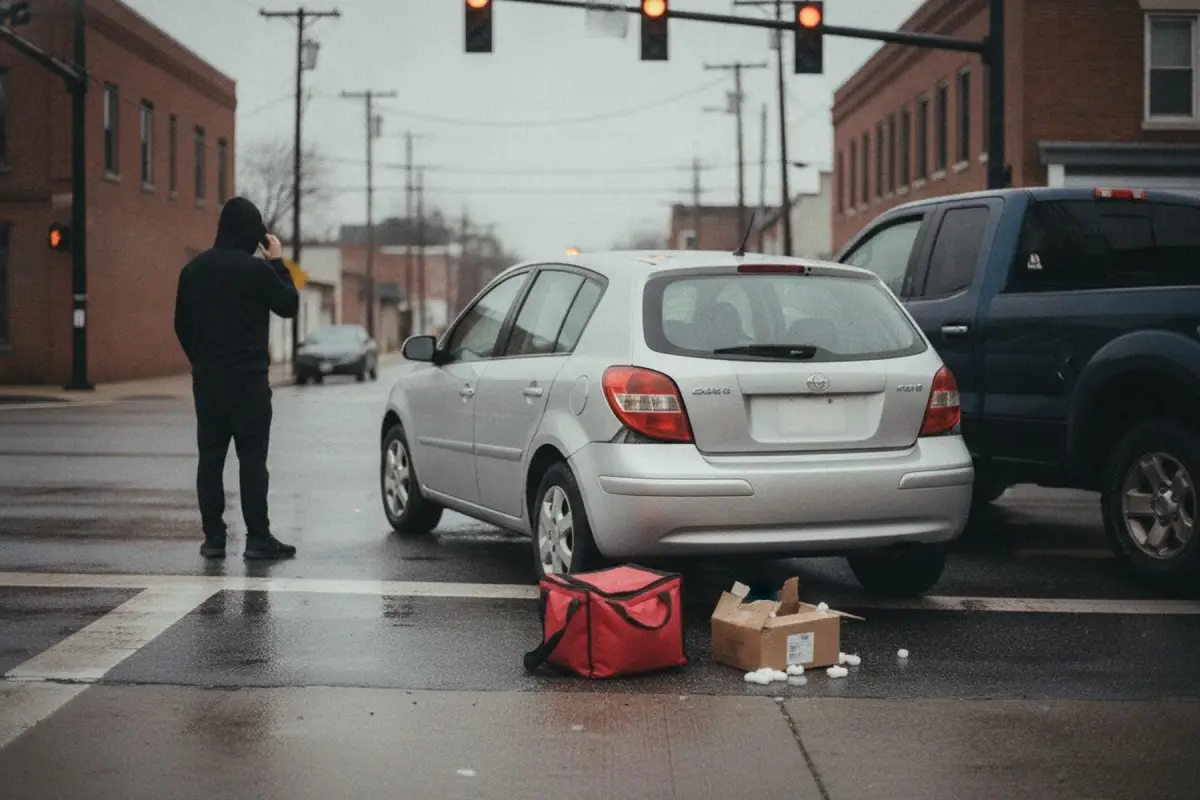

Getting hit by a car on a bike happens in a second, but what you do in the hours and days afterward can decide whether you are ever compensated for it. Virginia gives cyclists real protections on the road, and it also has one of the harshest fault rules in the country, which means the evidence you gather early matters more here than almost anywhere else. This post walks through what to do at the scene, the laws that apply, and how insurers handle bike crash claims. If you were hurt while riding, a Richmond bicycle accident lawyer at Tronfeld West & Durrett can help you protect your claim from the start.
Steps to Take Right After the Crash
If you are able, these steps protect both your health and your claim:
- Get to safety and call 911. Move out of traffic if you can do so safely, and ask for police and medical help.
- Get checked out, even if you feel fine. Adrenaline hides injuries, and concussions and internal injuries often show up hours later.
- Leave your bike where it is if possible until police arrive, or photograph its position before moving it.
- Exchange information with the driver. Get the driver’s name, license, insurance, and plate number, and note the make and color of the car.
- Photograph everything. The car, your bike, your helmet, the road markings, any bike lane, traffic signals, and your injuries.
- Find witnesses. Other drivers, pedestrians, and nearby business owners can be critical, especially if the driver disputes what happened.
- Do not admit fault or apologize. Even a polite “I’m sorry” can be used against you later.
The police report is one of the first pieces of evidence insurers review, so make sure your account of the crash is included. Afterward, the guidance on what to do after a car accident that wasn’t your fault applies to cyclists too, and our team can handle the rest.
For answers to your questions, call: 800-321-6741
How Often Cyclists Are Hurt in Virginia
Bike crashes are less common than car crashes, but they are far more likely to cause serious injury. The Virginia DMV’s 2025 Traffic Crash Facts reported 627 crashes involving bicycles statewide, with 15 riders killed and 600 injured, including 129 seriously injured.
Those numbers reflect a basic physical reality: a cyclist has no frame, airbags, or seat belt. Even a low-speed impact can cause fractures, a brain injury, or spinal cord damage that changes a rider’s life. Tronfeld West & Durrett works with medical experts to document the full extent of these injuries, including what they will mean in the years ahead.
Virginia Laws That Protect Cyclists
Virginia law treats bicycles as vehicles with the same rights to the road as cars, and it adds specific protections for riders.
The Three-Foot Passing Rule
Under Va. Code § 46.2-839, a driver passing a bicycle must leave at least three feet and pass at a reasonable speed. If the lane is too narrow to pass with three feet of clearance, the driver must change lanes. Sideswipes and mirror strikes are often clear violations of this rule.
Right of Way at Intersections
Drivers who turn right across a cyclist’s path, or turn left into an oncoming rider, often ignore a rider who had the right of way. These intersection crashes are some of the most common and most serious bike accidents in Richmond, particularly along busy corridors with mixed traffic.
Sidewalks and Trails
Virginia generally allows cyclists to ride on sidewalks and shared-use paths unless a local ordinance or sign prohibits it, with a duty to yield to pedestrians. Riding where you were allowed to ride does not make you responsible for a driver’s failure to see you.
When a driver breaks one of these rules, our attorneys use that violation as strong evidence of fault.
Click to contact us today
Who Is at Fault When a Car Hits a Cyclist?
In most bike crashes, the driver is at fault for failing to pass safely, failing to yield, opening a door into traffic, or not paying attention. But Virginia’s pure contributory negligence rule means the insurer will look hard for anything you did wrong. If you are found even slightly at fault, you can lose the right to recover anything.
Insurers commonly argue that a cyclist was riding at night without lights, darted out from between parked cars, ran a stop sign, or failed to keep a lookout. The difference between comparative and contributory negligence is exactly why bike claims in Virginia are fought so hard on the facts. Video, witness statements, and an early reconstruction of the crash often make the difference.
Tronfeld West & Durrett has handled contributory negligence defenses in bike cases for decades, and we know how to build a record that answers them.
Complete a Free Case Evaluation form now
Who Pays for Your Injuries
Several sources of coverage can apply after a bike crash:
- The driver’s liability insurance. This is the primary source when the driver caused the crash.
- Your own uninsured or underinsured motorist coverage. In Virginia, this coverage generally protects you and your household members even when you are not in a car, so it can apply when you are hit on a bike.
- Medical expense benefits. If you carry this optional coverage on your auto policy, it can help pay medical bills regardless of fault.
- Health insurance. Your health plan can cover treatment while the claim is pending, subject to reimbursement from any recovery.
The minimum coverage that Virginia drivers carry is often not enough for a serious bike injury, so we look for every available policy. A hit-and-run on a bicycle can still lead to a recovery through your own uninsured motorist coverage.
John Newby on Bicycle Injury Claims
John Newby, a Tronfeld West & Durrett attorney named a Super Lawyer every year from 2015 through 2026, notes:
“In a bike case, the insurer’s first move is usually to say the rider came out of nowhere. That is where contributory negligence comes in, and it is why I want the evidence early: the security footage, the skid marks, the damage pattern on the bike, and the people who saw it happen. When a driver pulls out in front of a cyclist or passes too close, the facts usually show it. Our job is to make sure those facts are preserved before they disappear.”
What Cases Like Yours Have Recovered
Serious cyclist and pedestrian injuries have led to significant results for our clients. Tronfeld West & Durrett obtained an $11,500,000 settlement for a woman run over by a tractor-trailer pulling out of a trucking terminal while she was riding her bicycle, even though the defense argued she was contributorily negligent. The firm also recovered an $85,000 settlement for a man struck while walking home by a hit-and-run driver who was never identified.
Contact Tronfeld West & Durrett
A bike crash can leave you with injuries that take months to heal and an insurer that wants to blame you for them. Our attorneys are Virginia-born and raised, and Tronfeld West & Durrett has more than 50 years of experience helping injured Virginians. We offer a free consultation, and you pay no fee unless we win. Contact Tronfeld West & Durrett to talk with our team
FAQs About Being Hit by a Car While Cycling
What should a cyclist do right after being hit by a car?
Get to safety, call 911, and get medical attention even if you feel okay. Exchange information with the driver, photograph the scene and your bike, and get witness contact information. Avoid admitting fault, and hold off on a recorded statement to any insurer before you get legal advice.
Who is at fault when a car hits a cyclist?
Usually the driver, especially if they failed to yield, passed too closely, opened a door into traffic, or were distracted. Because Virginia follows contributory negligence, the driver’s insurer will look for any fault on the cyclist’s part, so strong evidence is important.
Do cyclists have to follow the same traffic laws as drivers in Virginia?
Yes. Cyclists have the same rights and duties as drivers on Virginia roads, including obeying traffic signals and riding with traffic. Following those rules helps protect a claim if you are hit.
Can I still recover if I was not wearing a helmet?
Virginia does not have a statewide helmet requirement for adult cyclists, and not wearing a helmet does not cause a crash. Insurers may still argue it made a head injury worse, which is one reason early medical documentation matters.
Is there a deadline to sue after a bike accident in Virginia?
Yes. Va. Code § 8.01-243 gives most injured people two years to file suit. The statute of limitations for personal injury claims is strictly enforced, so do not wait to get advice.
Call or text 800-321-6741 or complete a Free Case Evaluation form