
When something goes wrong on a roadway, in a parking lot, or at a public event, most people react on instinct. You call 911, try to keep someone awake, or pull a person away from danger because you cannot imagine standing by and doing nothing. At the same time, many Virginians quietly worry that if they make a mistake while helping, they could be sued later for making someone’s injuries worse. This is exactly what the Good Samaritan Law is meant to address.
In this article, the Virginia personal injury lawyers at Tronfeld West & Durrett explain when the law protects a good-faith decision in an emergency, when a rescuer can be sued, and how contributory negligence might affect your rights. We will walk you through how the state’s Good Samaritan protections actually work in practice and how our firm builds cases when emergency rescues are part of the story.
What Is Virginia’s Good Samaritan Law?
The state’s Good Samaritan protections appear in Virginia Code § 8.01-225, which gives civil immunity to people who provide emergency care in good faith and without being paid. In simple terms, if you voluntarily help someone during a genuine emergency and you act reasonably under the circumstances, you generally cannot be sued for ordinary mistakes.
The statute applies to:
- Ordinary bystanders who stop to help at an accident
- Off-duty medical professionals who render unpaid emergency aid
- People who act during fires, serious crashes, medical collapses, or other life-threatening situations
However, the protection is not unlimited. The law is designed to shield people from liability for ordinary negligence, not for conduct that is reckless or intentional. If a rescuer acts with gross negligence or willful misconduct, they can be held responsible for the harm they cause.
For answers to your questions, call: 800-321-6741
When Does the Good Samaritan Law Apply in Real-World Emergencies?
The law focuses on emergencies. Some of the most common settings we see in our cases include:
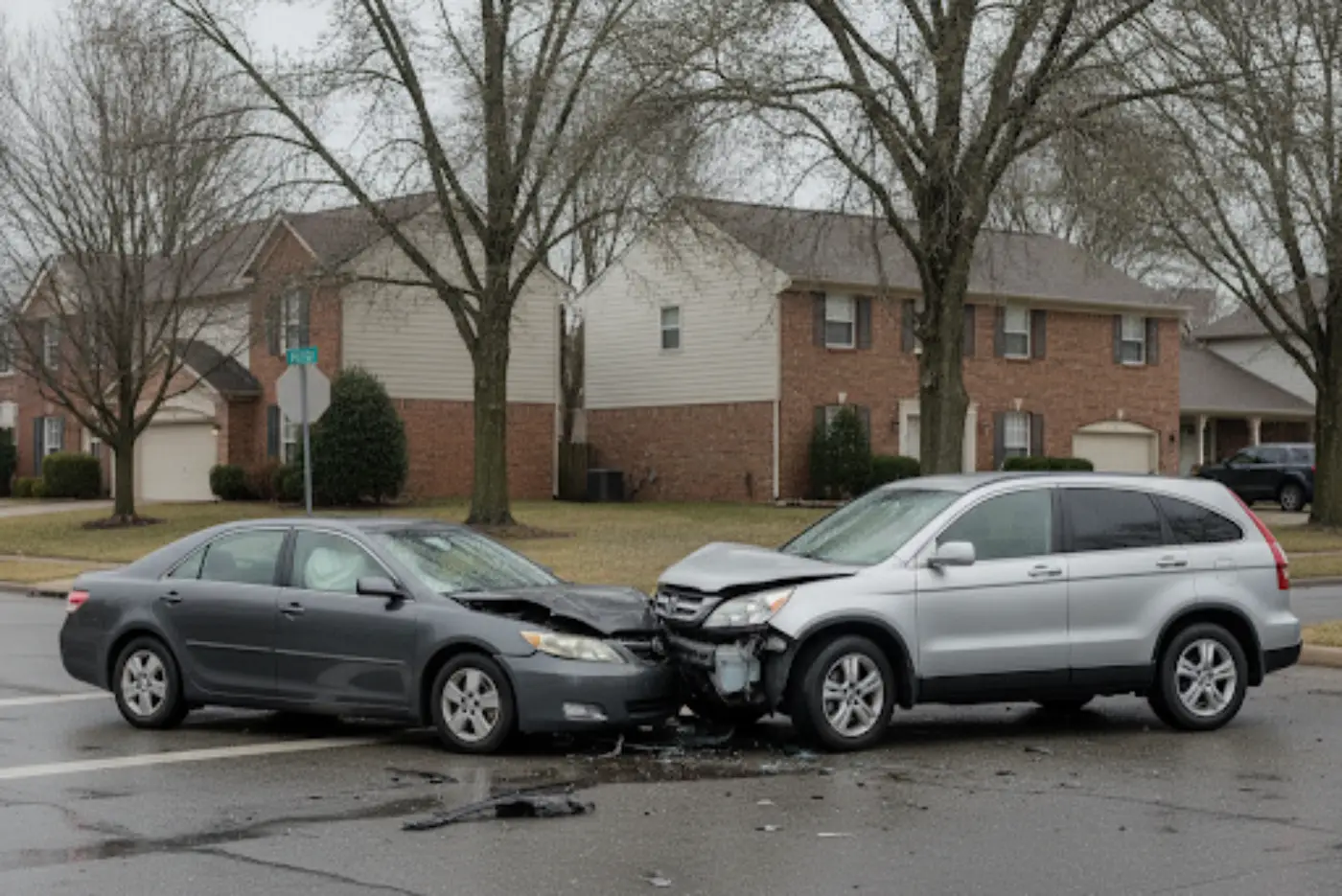
Car Crashes and Roadside Emergencies
Virginia’s roadways see tens of thousands of crashes every year. In 2024, state data show more than 129,000 traffic crashes and over 64,000 people injured, which means emergency bystander help is not rare at all. If you pull over on I-95, I-64, or a local road to help after a collision, you are typically covered if you:
- Call 911 and stay with the injured people until first responders arrive
- Apply pressure to a bleeding wound or use a tourniquet
- Perform CPR on an unresponsive driver or passenger
- Move someone out of immediate danger, such as away from a vehicle at risk of catching fire
Fires and Smoke-Related Emergencies
Good Samaritan protections can also apply when you:
- Pull someone out of a burning vehicle
- Help evacuate people from a home or apartment with an active fire or heavy smoke
- Assist a neighbor whose clothes have caught fire
The key is that your actions must be reasonable under the circumstances. If a car is smoking heavily or leaking fuel, moving an unconscious person to a safer spot is very different from dragging them across asphalt for no reason while emergency crews are already on the way.
Medical Crises in Public Places
If someone collapses at a restaurant, mall, stadium, or school and you step in to help, the statute can shield you from liability when you:
- Perform CPR based on your training level
- Use an AED provided on the premises
- Place the person in the recovery position until EMS arrives
Overdose and substance-related emergencies
Under Virginia Code § 18.2-251.03, there is limited criminal immunity to people who seek medical help for an overdose. If someone calls 911, stays on scene, identifies themselves, and cooperates with responders, they are protected from prosecution for certain possession offenses or for being intoxicated in public.
Ordinary Negligence vs. Gross Negligence: Where the Protection Ends
While ordinary negligence is a mistake a reasonably careful person might make under stress, gross negligence is conduct that shows such a lack of care that it amounts to an utter disregard for someone else’s safety. In the Good Samaritan context, this line matters because Virginia’s immunity disappears the moment a helper’s actions cross into gross negligence or willful misconduct.
Courts in personal injury lawsuits in Virginia look closely at the circumstances—what the helper knew, what the emergency required, and whether their choices were within the bounds of reason, given the urgency. Good Samaritan immunity remains strong only when the rescuer’s conduct aligns with what an ordinarily prudent person would have done in the same situation.
Because the difference between ordinary and gross negligence is fact-specific, one of the first things we do is reconstruct the scene in detail, using witness statements, expert opinions, and any available video to determine how a court is likely to view the rescuer’s actions.
Click to contact us today
Can Rescuers Recover Compensation If They Are Hurt While Helping?
Good Samaritan protections do not take away a rescuer’s right to recover compensation when they are injured because of someone else’s negligence. In other words, you can still be a plaintiff if you were the one trying to help. Common scenarios include:
- A driver stops to help at a crash and is hit by another vehicle while standing on the shoulder
- A shopper pulls someone away from a falling display and is struck by debris
- A bystander helps evacuate residents during a fire and suffers smoke inhalation or a fall on unsafe stairs
Complete a Free Case Evaluation form now
What If a Good Samaritan Made Your Injuries Worse?
On the other side of the equation, injured people sometimes contact us because a rescuer’s actions appear to have worsened their condition. Maybe someone “reset” a joint and caused permanent nerve damage, or moved a crash victim in a way that aggravated a spinal injury when there was no real danger forcing that decision. Legally, the key questions are:
- Was the rescuer acting in an emergency, in good faith, and without compensation?
- Were their actions within the range of what a reasonable person might do, or did they cross into gross negligence or even intentional harm?
If their actions qualify as ordinary negligence within an emergency, Virginia’s Good Samaritan Law usually blocks a lawsuit against them. If their conduct is so reckless that it meets the gross-negligence standard, you may have a viable claim.
How Contributory Negligence Affects Good Samaritan Cases
Virginia is one of the few states that still follows a pure contributory negligence rule. This means that if you are found even one percent at fault for your own injuries, a court can bar you from recovering compensation entirely. In Good Samaritan scenarios, our approach to contributory negligence changes depending on the case:
- For injured rescuers: We argue that stepping in to help was a natural and foreseeable response to the danger created by someone else’s negligence, not careless behavior that should cut off their rights.
- For injured victims: We look at whether any of their own actions contributed to the emergency in a way that insurers might try to weaponize under Virginia’s strict rule.
FAQs About Virginia’s Good Samaritan Law
Am I legally required to stop and help at an accident scene in Virginia?
No. Virginia generally does not impose a legal duty on random bystanders to render aid, although drivers involved in a crash have specific obligations to stop and provide information.
Does the Good Samaritan Law protect off-duty medical professionals?
Often it does, as long as they are not being compensated for the emergency care they provide and are acting within a genuine emergency situation. Once a professional is acting in a formal treatment role, malpractice standards and insurance coverage come into play.
What if I perform CPR and break someone’s ribs?
Broken ribs are a known complication of effective chest compressions, especially in older adults. If you are performing CPR in good faith and following your training as best you can, that type of injury typically falls within the protection of Virginia’s Good Samaritan framework.
Can I sue the person who helped me if they made my injuries worse?
It depends on whether their actions amounted to gross negligence or intentional harm. Ordinary mistakes made in the heat of an emergency are usually protected. If their conduct was so reckless that it went far beyond a reasonable attempt to help, you may have a claim.
Can a rescuer sue the person who caused the original emergency?
Yes. If you were hurt while trying to help, you may have a claim against the driver, property owner, or other party whose negligence created the danger in the first place.
Does the Good Samaritan Law apply on private property?
What matters is the emergency, not whether it happened on a public street or private property. If you respond in good faith to a life-threatening situation at a friend’s home, in a parking garage, or inside a business, the same principles still apply.
How Tronfeld West & Durrett Helps in Good Samaritan-Related Cases
Tronfeld West & Durrett has been representing injured Virginians since 1972, and we regularly see Good Samaritan issues arise in complex cases involving multi-vehicle crashes, fires, unsafe properties, and overdose-related emergencies. Sometimes our client is the original victim, other times they are the person who tried to help and got hurt in the process.
When Good Samaritan questions are part of your case, we:
- Reconstruct the emergency scene using police reports, EMS records, photos or video evidence, and witness interviews.
- Analyze how § 8.01-225 and related statutes apply to the specific actions taken by each person at the scene.
- Work with medical and safety experts to evaluate whether the conduct likely falls within ordinary or gross negligence.
- Anticipate and counter contributory-negligence and “assumption of risk” arguments that insurers commonly raise.
Contact a Virginia Personal Injury Lawyer for a Free Consultation
If you were injured while helping someone in an emergency—or if a rescuer’s actions contributed to your harm—you don’t have to sort out Virginia’s Good Samaritan protections alone. Tronfeld West & Durrett can clarify how these laws apply to your circumstances and what they mean for pursuing compensation.
We invite you to contact us today for a free consultation. A lawyer from our team will evaluate your case, answer your questions, and start building a strategy that protects your rights.
Call or text 800-321-6741 or complete a Free Case Evaluation form