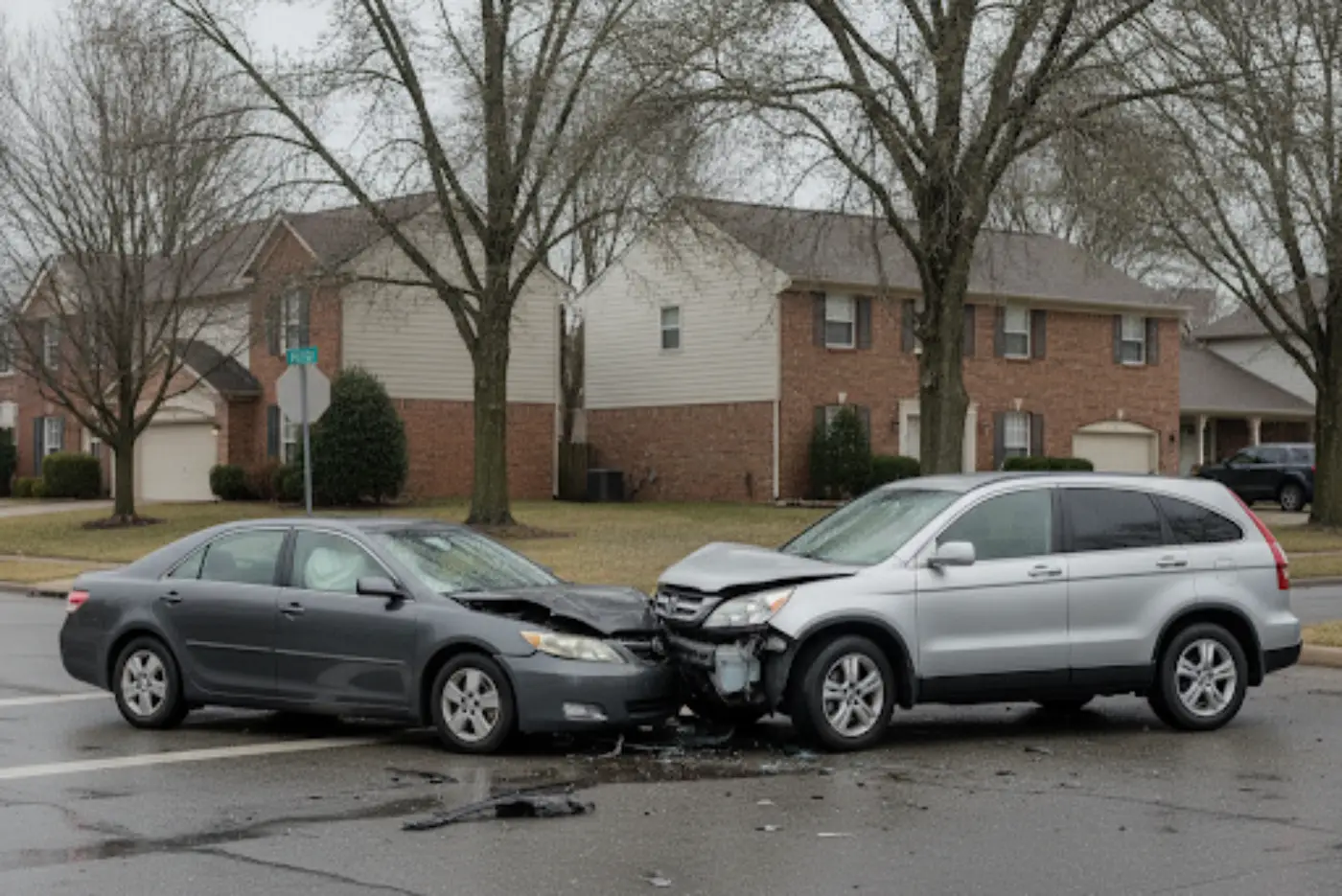

For people injured in Virginia car accidents, a spinal cord injury changes everything – not just physically, but financially and legally. The decisions made in the days and weeks immediately after the crash often determine how much compensation is actually recovered. If the accident happened in the Richmond area, speaking with a Richmond Spinal Cord Injury Lawyer as early as possible can make a significant difference in the outcome of your case.
This post explains what you need to know right now: the real costs of spinal injuries, what a fair settlement should include, and the legal trap that catches Virginia injury victims off guard.
The Scale of the Problem in Virginia
According to the NHTSA’s Early Estimate of Motor Vehicle Traffic Fatalities, Virginia recorded 917 traffic fatalities in 2024, with an estimated 833 in 2025 – a nearly 10 percent decline. While the downward trend is encouraging, these numbers represent only fatal crashes. The full picture of serious injuries is far larger, and car accidents remain the leading cause of traumatic spinal cord injuries in the United States according to the National Institute of Neurological Disorders and Stroke.
For answers to your questions, call: 800-321-6741
Not All Spinal Injuries Are the Same
The phrase “back injury” covers a wide spectrum. Understanding where your injury falls on that spectrum is critical to understanding the value of your back injury car accident claim in Virginia.
On the less severe end are herniated and bulging discs, fractures without displacement, and discogenic pain. These injuries are real and painful, but they may respond to conservative treatment or surgery with meaningful recovery.
On the severe end are incomplete spinal cord injuries, where some function below the injury level remains, and complete spinal cord injuries, where there is no movement or sensation below the level of damage. Complete injuries are permanent. Cervical injuries (C-1 through C-7) can cause quadriplegia, affecting all four limbs and sometimes breathing. Thoracic injuries typically produce paraplegia. Lumbar injuries affect the legs and hips.
Attorney Perspective
One of the most common mistakes we see is accepting a settlement before the injury has fully stabilized. A herniated disc diagnosed in week two can evolve into a surgical case by month six. Settlements are final. We advise clients to understand their full medical picture before any agreement is signed.
What Spinal Cord Injury Car Accident Compensation Looks Like in Virginia
Research published in the National Library of Medicine puts the first-year treatment cost for a spinal cord injury between $32,240 and over $1.1 million, depending on severity. That figure covers acute hospitalization and initial rehabilitation. It does not include decades of ongoing care, lost income, or the cost of modifying your home and vehicle.
This is why spinal injury settlements in Virginia vary so dramatically – from hundreds of thousands to tens of millions of dollars. A Virginia case from 2024 involving a man who became a partial quadriplegic after being rear-ended at more than 50 mph while stopped at a red light resulted in a multi-million dollar settlement. A separate 2024 Virginia verdict awarded $950,000 for a neck injury that required laminectomy, discectomy, and future spinal fusion surgery.
Those outcomes require thorough documentation and attorneys who know how to counter insurance companies that routinely present low initial offers.
A full spinal cord injury car accident Virginia compensation claim should address each of the following:
| Compensation Category | What It Covers |
| Emergency and acute care | Ambulance, ER, ICU, hospitalization, diagnostic imaging |
| Surgery and procedures | Spinal fusion, decompression, discectomy, hardware placement |
| Rehabilitation | Physical therapy, occupational therapy, pain management programs |
| Future medical costs | Ongoing care, medications, assistive devices, home health aides |
| Lost wages | Income lost while unable to work during recovery |
| Lost earning capacity | Reduced income if you cannot return to your prior occupation |
| Pain and suffering | Physical pain, emotional distress, loss of enjoyment of life |
| Home and vehicle modifications | Wheelchair ramps, lifts, adaptive driving equipment |
Calculating future medical costs accurately is one of the most contested parts of any serious spinal cord case. Insurance companies routinely underestimate long-term care projections. Medical life care planners and vocational rehabilitation experts are often essential to getting these numbers right. Learn more about how personal injury claims are valued in Virginia.
Click to contact us today
The Legal Trap Most Virginians Don’t Know About
Virginia’s Contributory Negligence Rule: Virginia is one of only four states that still follows pure contributory negligence. If the insurance company can show you were even 1% at fault for the crash – even if the other driver was 99% responsible – you may be legally barred from recovering anything at all.
This is the most important Virginia-specific legal reality in any spinal cord injury case, and it changes how you must handle everything from the accident scene forward.
Were you slightly over the speed limit? Did you briefly look at your phone before the impact? Did you change lanes in the prior mile? Insurance adjusters are trained to find any evidence of shared fault. On a catastrophic injury claim worth millions, they have every financial incentive to look hard.
There are exceptions. The “last clear chance” doctrine allows recovery when the other driver had a final opportunity to avoid the crash and failed to act. Willful and wanton conduct – such as driving under the influence at high speed – can also overcome the contributory negligence bar. But these defenses are narrow and technically complex to establish.
The practical result is that how a spinal cord injury claim is framed from the very first day matters enormously. Evidence needs to be preserved before it disappears. Witnesses need to be interviewed while their recollections are fresh. And the factual record needs to be established clearly before the other side builds a contributory negligence argument.
This is not a situation for handling a settlement on your own.
Complete a Free Case Evaluation form now
The Two-Year Deadline – and Why It’s Shorter Than It Sounds
Under Virginia Code § 8.01-243, you have two years from the date of the accident to file a personal injury lawsuit. Miss that deadline – by even one day – and the court will dismiss your case. It does not matter how serious your injury is or how strong the evidence is.
Two years sounds like ample time. In practice, it is not. Spinal cord injuries often require months of stabilization before doctors can accurately assess permanency. Building the medical documentation, retaining expert witnesses, negotiating with insurers, and preparing for litigation all take substantial time. Waiting until the injury is fully settled before contacting an attorney creates real risk of running out of runway.
What to Do Right Now
If you or someone close to you suffered a spinal injury in a Virginia car accident, these steps matter immediately:
Get a full medical evaluation. Emergency room visits may miss disc injuries and incomplete cord injuries. Follow-up imaging – MRI in particular – is essential. Any gap in treatment will be used against you.
Preserve evidence from the scene. Photographs of vehicle damage, road conditions, skid marks, and your visible injuries are valuable. If you cannot take them yourself, ask someone to do it.
Do not give a recorded statement to the other driver’s insurer. Their adjusters are trained to elicit statements that can be used to build a contributory negligence argument. You are not legally required to give one.
Document your daily reality. Every appointment, every prescription, every day you cannot perform normal activities, every night of disrupted sleep – keep a written record. This evidence supports the pain and suffering component of your claim.
Contact a Virginia spinal cord injury attorney before making any settlement decision. See our full guide on steps to take after a serious accident and answers to common motor vehicle accident questions.
How Tronfeld West & Durrett Handles These Cases
At Tronfeld West & Durrett, we have been handling catastrophic injury cases in Virginia since 1972. That experience matters in spinal cord cases – not just for legal strategy, but for understanding how these injuries evolve over time and how to document them accurately for maximum compensation.
We handle Virginia car accident and catastrophic injury claims statewide, with dedicated spinal cord injury teams in Richmond, Norfolk, Newport News, Virginia Beach, and Petersburg. If paralysis is involved, our paralysis injury practice addresses those distinct long-term needs.
We work on contingency. There are no fees unless we recover compensation for you. If you want to understand what your spinal cord injury case may be worth, or if you simply have questions about your options, contact us for a free case evaluation.
Call or text: 800-321-6741 | Free Case Evaluation
Call or text 800-321-6741 or complete a Free Case Evaluation form