
Paralysis is one of the most catastrophic outcomes of any accident. It changes everything in an instant. The question our clients most often ask is simple: can the person responsible be held accountable? In most cases, yes. But winning a paralysis injury claim in Virginia takes more than proving someone was careless.
Virginia’s contributory negligence rule is unforgiving. If a court finds you were even 1% at fault, you may recover nothing. This is why how you build your case from day one matters enormously.
Here is what we see in practice and what you need to know before taking any action.
What you must prove to win a paralysis negligence claim
Virginia does not have a special law for paralysis cases. These lawsuits are personal injury claims, and sometimes medical malpractice claims, depending on the cause. The core legal test is the same in either scenario.
You must establish four things:
| Element | Practice |
| Duty of care | The other party had a legal obligation to act responsibly toward you. Every driver on the road owes this to others. So does a property owner, a surgeon, or an employer. |
| Breach of duty | They failed to meet that standard. A distracted driver, a surgeon who operated on the wrong level of the spine, a property owner who ignored a known fall hazard. |
| Causation | Their failure directly caused your paralysis. This is often contested. Defense experts will argue the injury was pre-existing or would have occurred regardless. |
| Damages | You suffered real, documentable losses. Medical bills, lost wages, long-term care needs, and non-economic harm like loss of independence and emotional suffering. |
Under Va. Code § 8.01-243, you generally have two years from the date of injury to file. If a government entity is involved, that window can be shorter and special notice requirements apply. Missing these deadlines ends your case before it begins.
For answers to your questions, call: 800-321-6741
The Virginia contributory negligence problem
Most states use a comparative fault system where your recovery is reduced by your share of blame. Virginia does not. Under contributory negligence, any fault on your part can bar recovery entirely.
If you were in a car accident and were not wearing a seatbelt, the defense will argue that your failure to wear one contributed to the severity of your spinal injury. If a jury agrees, even slightly, you may walk away with nothing despite the other driver running a red light.
This is not a technicality. It is the centerpiece of almost every defense strategy in Virginia paralysis cases. Our job is to build a case so airtight that contributory fault arguments have nowhere to land.
Who can be held liable for a paralysis injury?
One thing we see consistently in serious paralysis cases is that more than one party is often responsible. Real-world scenarios often involve:
- Negligent drivers in car, truck, or motorcycle crashes
- Employers whose commercial drivers or workers caused the accident
- Property owners who failed to maintain safe conditions
- Surgeons or hospitals in surgical error or delayed diagnosis cases
- Product manufacturers when defective equipment contributed to the injury
- Government entities responsible for road design or maintenance failures
In truck accident cases, for example, liability often extends to the carrier, a maintenance contractor, and sometimes a cargo loader. Identifying all responsible parties is not just thorough lawyering. It is how you reach compensation that actually covers a lifetime of care.
Click to contact us today
What damages can you recover in a paralysis injury lawsuit?
Paralysis is not a single injury. It is a permanent change to every aspect of life. Virginia law allows recovery for the full scope of that impact.
Medical expenses
Emergency care, spinal surgery, ICU stays, and acute rehabilitation
Future care costs
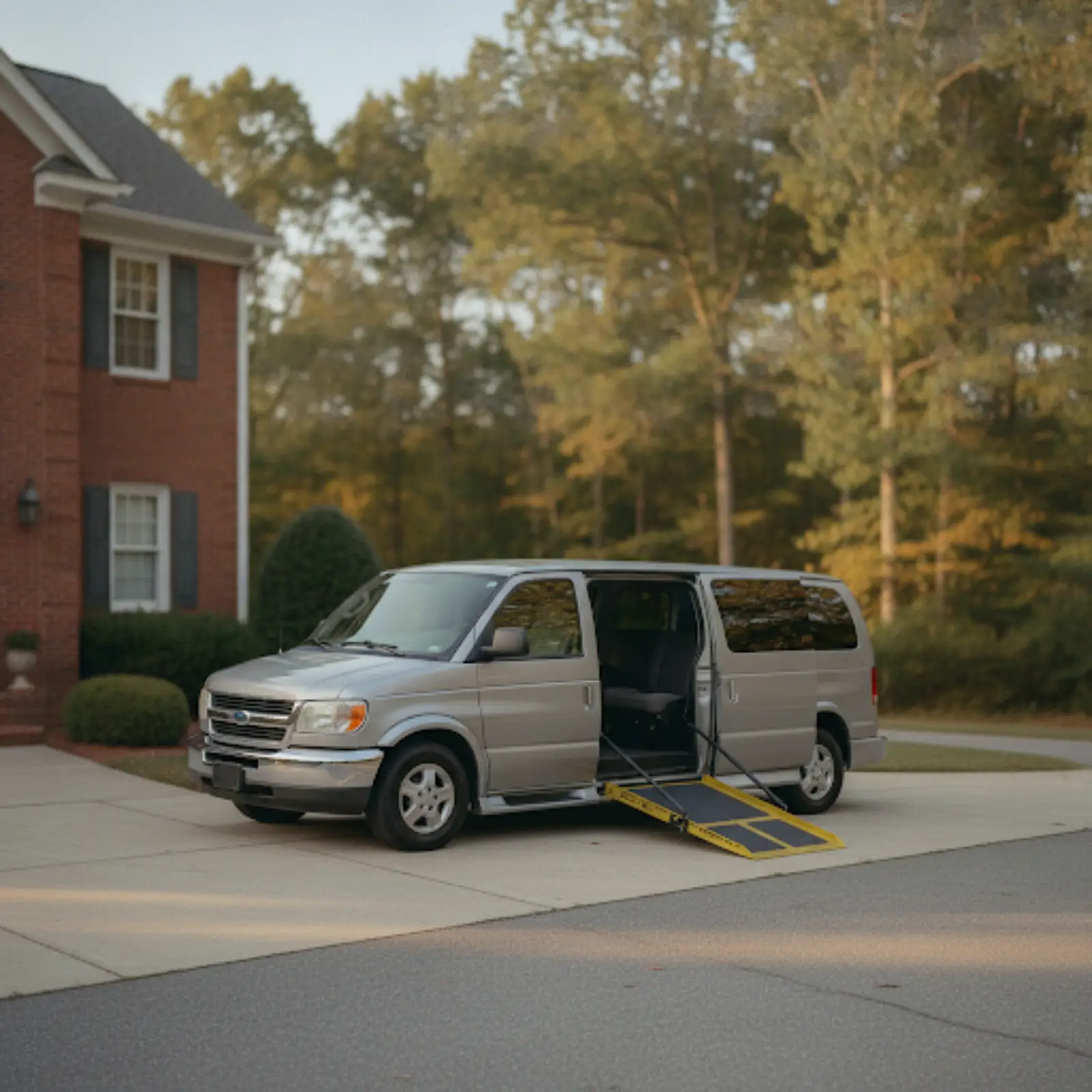
Home modifications, wheelchair equipment, personal care attendants, and long-term nursing
Lost income
Wages already lost plus reduced earning capacity over a lifetime
Pain and suffering
Physical pain, depression, anxiety, and loss of autonomy
Loss of enjoyment
Impact on hobbies, parenting, intimacy, and daily life activities
Punitive damages
Available in rare cases of drunk driving or other egregious misconduct
Calculating future damages requires expert testimony. We work with life care planners, vocational rehabilitation specialists, and medical experts who can put a precise number on what a paralysis injury will cost over 20, 30, or 40 years. Insurance companies rely on injured people not having this analysis. We make sure you do.
A real case result: $1.25 million for spinal injury in Virginia
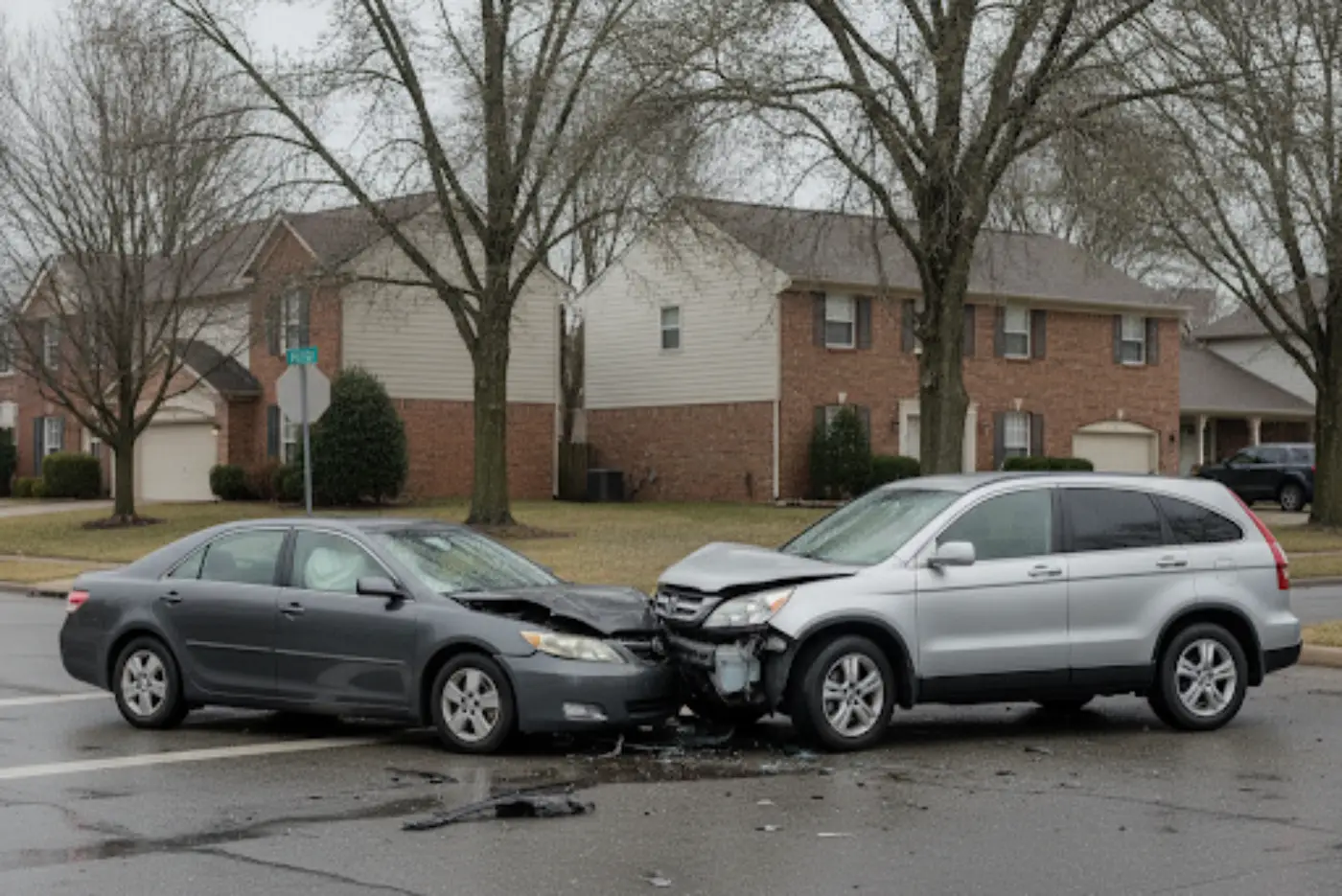
Settlement for aggravation of a spinal condition in an intersection collision
In this case, the defense argued our client could return to work and that the accident had not significantly worsened the existing spinal condition. We challenged that position with detailed medical records, diagnostic imaging, and testimony from treating physicians who documented the progression. The result was a settlement that covered future medical treatment, lost earnings, and non-economic damages.
This case illustrates something we see often: the gap between what an insurer initially offers and what a case is actually worth can be enormous. Closing that gap requires evidence, expert support, and a willingness to take the case to trial if necessary.
Complete a Free Case Evaluation form now
How a paralysis injury lawsuit actually proceeds
- Investigation: Medical records, accident reports, witness statements, surveillance footage, and expert analysis are gathered. The goal is to establish fault before the defense has a chance to construct a counter-narrative.
- Filing the claim: A complaint is filed in Virginia circuit court. Most paralysis claims far exceed the $25,000 threshold for circuit court jurisdiction given the long-term care costs involved.
- Discovery: Both sides exchange documents and take depositions. This is where the defense looks for any evidence of contributory fault. Your legal team’s preparation here is critical.
- Negotiation or mediation: Most paralysis cases in Virginia resolve before trial. A strong liability case backed by documented future damages creates real leverage in settlement talks.
- Trial (if needed): When insurers refuse to offer fair compensation, we are prepared to take the case to a jury. Many firms settle early. We prepare every case as if it will go to trial.
Why timing and documentation matter from the start
Insurance companies begin their investigation immediately after an accident. Adjusters look for recorded statements, gaps in medical treatment, and any detail that suggests shared fault. Every day that passes without documented evidence is a day the defense uses to build its case.
What we advise from the moment someone contacts us:
- Seek medical attention immediately and follow every treatment recommendation
- Do not give recorded statements to anyone’s insurance company without speaking to an attorney first
- Photograph the scene, your injuries, and any relevant conditions if possible
- Keep a daily record of symptoms, pain levels, and how the injury affects your daily life
- Save all medical bills, correspondence, and related expenses
The documentation you create in the first days and weeks after a paralysis injury forms the foundation of your entire claim.
Frequently asked questions about paralysis injury claims
Is paralysis always permanent?
Not always. Incomplete spinal cord injuries can improve with early intervention and rehabilitation. Complete cervical injuries typically are permanent. Whether temporary or lasting, the right to compensation depends on the negligence that caused the injury, not its duration.
What is the difference between paraplegia and quadriplegia?
Paraplegia involves loss of function in the lower body, typically from damage at the thoracic or lumbar spinal level. Quadriplegia (also called tetraplegia) affects all four limbs and results from higher cervical spine injuries. Both are recognized as catastrophic under Virginia law and justify significant long-term damages.
Can a paralysis injury claim succeed if the at-fault driver had no insurance?
Potentially, yes. Uninsured and underinsured motorist coverage on your own auto policy may apply. If a business or government entity was involved, separate coverage may be available. We identify every possible source of compensation, including third-party defendants whose involvement may not be immediately obvious.
What if I was partially at fault?
Virginia’s contributory negligence rule means that any fault on your part can block recovery entirely. This makes it critical to work with attorneys who know how to investigate, preserve evidence, and rebut attempts to assign you any share of blame.
Do paralysis claims always go to trial?
No. The majority resolve through negotiation or mediation. But a fair settlement only happens when the other side believes you are prepared to go to trial. That credibility comes from thorough preparation, expert witnesses, and a law firm with a track record of courtroom results.
Help Clients With Paralysis Lawsuits
Tronfeld West & Durrett represents paralysis injury clients across Virginia, including Richmond, Petersburg, Virginia Beach, and Newport News. Consultations are free and you pay nothing unless we recover for you.
Call or text 800-321-6741 or complete a Free Case Evaluation form